 By
By 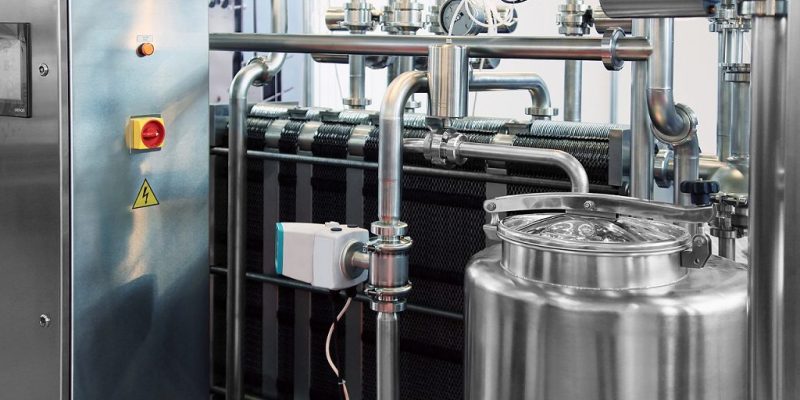
Pasteurization is one of the most fundamental processes in the food industry that ensures public health by applying accurate heat treatment. There are different types of pasteurization depending on the industry requirements ranging from dairy products to juice production.
Milk pasteurizer plant manufacturers design systems that are robust and capable of implementing these methods. This overview highlights the important variants and their applications in ensuring that fresh safe products are maintained in the market.
Heat Steady Hold: Low Temperature Long Time Pasteurization
Pasteurization consists of the treatment of milk by heating it at a low temperature, specifically at 63°C for the period of 30 minutes. This technique not only kills all the pathogens present in milk but also keeps the natural creamy texture of milk.
The small dairies even opt for it for artisanal batches where flavor depth can be felt in each sip. Milk pasteurizer plant manufacturers craft sturdy tanks to maintain exact heat levels during the full cycle.
- Kills Listeria by over 99% according to FDA records from recent years.
- Suits ice cream bases since proteins stay intact for smoother textures.
- Cuts tuberculosis risks dramatically in raw milk sources.
- Allows small plants to produce premium products without huge investments.
Processors see fewer returns when taste matches expectations perfectly. Match this to your niche dairy lines today.
Swift Flow: High Temperature Short Time Mastery
HTST (High Temperature Short Time) pasteurization is one of the most widely used methods. It is used for milk and other liquid foods due to its high efficiency and relatively low impact on the flavor and nutritional quality of the processed products. This process involves heating milk to 72°C for 15 seconds using rapid tube systems.
Large scale production units can handle thousands of liters per hour and the quality loss is negligible. Milk flows past heated plates then cools fast to lock in freshness right away. Milk pasteurizer plant manufacturer design these for nonstop operations that keep pace with demand surges.
- Achieves 99.9% E. coli reduction per International Dairy Journal studies.
- Keeps milk smooth since short exposure avoids overcooking proteins.
- Boosts daily output ideal for city-wide distribution networks.
- Lowers energy costs through quick heat cycles in modern setups.
Brands report happier customers with consistent shelf appeal. Shift your plant to this for volume gains now.
Flash Heat for Juice Clarity
Flash pasteurization zips juice to 71°C for 15 seconds then cools instantly. Clear bottles sparkle without sediment thanks to this quick pass. Cider makers prevent fermentation while keeping apple crispness alive. Types of pasteurization like this fit boutique juice lines perfectly.
Milk pasteurizer plant manufacturers adapt designs for fruit flows too. Research in Food Science journals shows vitamin C holds at 95% post-flash. Consumers sip vibrant flavors year after year. Adapt your setup for seasonal fruit surges.
Tunnel Heat’s Bottle Journey
Tunnel pasteurization warms filled bottles to 60°C for 20 minutes via water sprays. Beer and soda cans emerge germ-free yet chilled fast. Breweries cut canning defects by 30% per industry reports. Milk pasteurizer plant manufacturers engineer conveyor tunnels for steady pacing.
This post-fill method protects carbonation in fizzy drinks. Packers handle high volumes without flavor shifts. Factories report stable pH levels across runs. Retrofit tunnels to safeguard your bottled lines efficiently.
Spray Heat’s Dairy Cloud Magic
Spray pasteurization mists milk into hot chambers at 85°C briefly. Droplets dry into powder form ready for instant mixes. Infant formula plants demand this for nutrient-dense results. Types of pasteurization here dry without scorching proteins.
Milk pasteurizer plant manufacturers install nozzles for uniform coverage. Parents trust powders that mix smoothly every time. Scale up spray tech for export-ready dairy powders.
| Pasteurization Type | Temperature & Time | Best For | Pathogen Kill Rate / Key Target |
|---|---|---|---|
| LTLT (Low-Temp Long-Time) | 63°C (145°F) for 30 min | Small dairy batches, artisan cheese | Destroys Coxiella burnetii (Q-fever) & 99%+ pathogens. |
| HTST (High-Temp Short-Time) | 72°C (161°F) for 15 sec | High-volume commercial milk | 99.9% reduction of E. coli & Salmonella. |
| UHT (Ultra-High Temp) | 135°C-150°C for 2–5 sec | Shelf-stable milk (Tetra Paks) | 99.99%+ (Commercial sterility). |
| Batch (Vat) | 60°C-65°C for 30 min | Ice cream mixes, liquid eggs | Reduces Salmonella significantly without curdling proteins. |
| Flash | 71.5°C for 15-30 sec | Fruit juices, beer, wine | Destroys yeast & molds; preserves 95%+ vitamins. |
| Tunnel | 60°C for 20 min | Bottled beverages (in-container) | Targets spoilage microbes; ensures seal integrity. |
| Spray (Drying) | 85°C+ for seconds | Milk powder, instant coffee | High microbial reduction while removing moisture. |
What Are the Main Types of Pasteurization?
Types of pasteurization split into thermal categories based on heat and duration. Low-temp long-time suits crafts while ultra-high temp fits mass markets. Food Processing Machinery to each variant. FDA guidelines from 2025 confirm all meet safety thresholds above 99%. Processors pick methods matching product texture needs.
Juices demand flash for clarity whereas milks lean toward high-temp short-time. Data reveals 80% of US dairies use continuous flows now. Select types of pasteurization wisely for your output goals.
Why Do Food Plants Need Pasteurization Types?
Plants choose from pasteurization types to slash recalls and boost shelf life. Milk pasteurizer plant manufacturers report 25% efficiency gains with right matches. Pathogens drop dramatically per CDC 2025 stats at 1 in 10^6 servings. Consumers demand safe eats without taste trade-offs.
Brewers save millions yearly through tunnel methods on cans. Dairies extend reach via ultra-high temp exports. Waste plummets when methods align with products. Match types of pasteurization to your lines for profit jumps.
Conclusion
Pasteurization types quietly shape food safety across dairies and beyond. Milk pasteurizer plant manufacturers drive reliability through tailored designs. Factories thrive when methods match products perfectly. Shelf life stretches and waste shrinks dramatically.
Pathogen risks fade into history per recent FDA logs. Processors gain edges in crowded markets this way. Types of pasteurization prove indispensable for modern plants. Forward production plans with proven heat strategies now.




Comments