 By
By 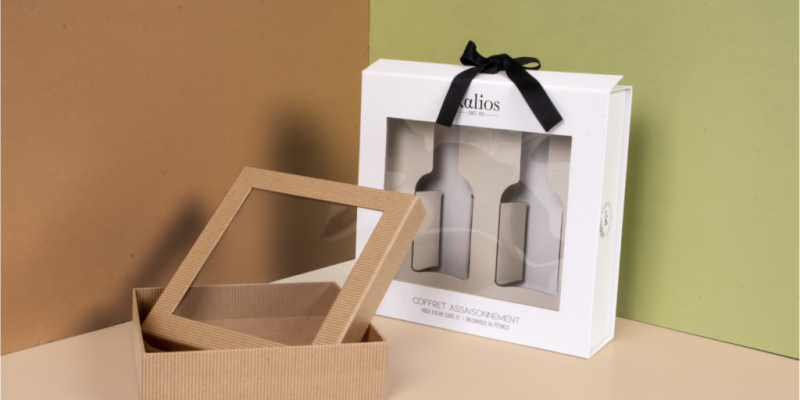
In today’s competitive packaging landscape, brands are constantly searching for ways to make their products stand out while maintaining functionality, safety, and cost efficiency. One packaging solution that has gained significant popularity across industries is Window Patching Film. From food boxes to cosmetic cartons and retail packaging, this material offers both visual appeal and practical advantages.
Window patching films allow consumers to see the product inside the box without opening it, creating trust and enhancing buying decisions. Beyond aesthetics, these films provide multiple operational and branding benefits that make them an essential component of modern box packaging.
This article explores the top benefits of using Window Patching Film and why it has become a preferred choice for packaging manufacturers and brand owners.
1. Enhances Product Visibility and Consumer Trust
One of the biggest advantages of Window Patching Film is its ability to showcase the product directly through the packaging. Transparent windows allow customers to inspect the product’s quality, color, freshness, or design before purchase.
In retail environments, visual confirmation plays a major role in influencing buying decisions. When consumers can see the actual product, it builds confidence and reduces hesitation, especially for food items, bakery products, toys, cosmetics, and stationery.
Clear visibility through window patching helps brands establish transparency and credibility, which ultimately improves customer trust and conversion rates.
2. Improves Shelf Appeal and Brand Differentiation
Packaging is often referred to as the “silent salesperson.” Boxes with window patching immediately attract attention on crowded retail shelves. The contrast between printed board material and the clear film creates a premium and modern look.
Window Patching Film helps brands differentiate their products from competitors using plain or fully closed packaging. By creatively designing the window shape—round, oval, custom-cut, or thematic—brands can enhance shelf impact and brand recognition.
This visual enhancement is particularly valuable in industries where packaging aesthetics directly influence perceived product value.
3. Maintains Product Protection and Hygiene
While transparency is important, protection is equally critical. High-quality Window Patching Film acts as a protective barrier that shields products from dust, moisture, and external contaminants.
In food and confectionery packaging, window patching films help maintain hygiene standards while still offering visibility. For non-food products such as electronics accessories, cosmetics, or gift items, the film prevents physical contact and handling damage.
Modern window patching films are designed to balance clarity with durability, ensuring that the product remains safe throughout storage, transport, and display.
4. Supports Eco-Friendly and Sustainable Packaging Goals
Sustainability is now a major priority for packaging brands. Many manufacturers offer Window Patching Film options that are recyclable, biodegradable, or compatible with eco-friendly paperboard packaging.
By choosing the right type of film and minimizing material usage, brands can reduce plastic waste while still enjoying the benefits of transparent packaging. Some window patching films are also designed for easy separation during recycling processes.
This makes window patching an excellent solution for brands aiming to align with environmentally responsible packaging practices without compromising on visual appeal.
5. Versatile Applications Across Multiple Industries
Another key benefit of Window Patching Film is its wide range of applications. It is commonly used in:
- Food and bakery boxes
- Confectionery and chocolate packaging
- Cosmetic and personal care boxes
- Toy and gift packaging
- Pharmaceutical and healthcare cartons
- Stationery and retail product boxes
The adaptability of window patching film makes it suitable for different box styles, thicknesses, and printing techniques. Whether used in offset, flexo, or digital packaging workflows, it integrates seamlessly into existing production processes.
6. Cost-Effective Packaging Enhancement
Compared to other premium packaging techniques such as embossing, foiling, or specialty coatings, Window Patching Film is a cost-effective way to upgrade packaging appearance.
It offers a high perceived value at a relatively low incremental cost. Brands can achieve a premium look without significantly increasing packaging expenses, making it ideal for both mass-market and premium product lines.
Additionally, window patching can reduce the need for excessive graphics or printed images by letting the product speak for itself.
7. Improves User Experience and Convenience
Packaging is not just about selling—it’s also about usability. Window patching enhances the customer experience by allowing quick product identification without opening the box.
This feature is especially useful in retail and warehouse environments, where visual recognition speeds up product selection, stocking, and inventory management.
For end consumers, transparent windows make packaging more intuitive and reduce the chances of incorrect purchases.
8. Customization and Design Flexibility
Window Patching Film offers excellent flexibility in terms of design and customization. Brands can choose from different film types, thicknesses, finishes, and window shapes to match their packaging concept.
The window area can be strategically placed to highlight key product features, branding elements, or unique selling points. Custom window patching designs help reinforce brand identity and create a memorable unboxing experience.
This level of customization makes window patching film suitable for both standard packaging runs and special promotional editions.
9. Compatible with High-Speed Packaging Lines
From a manufacturing perspective, modern Window Patching Film solutions are engineered for smooth application on automated and semi-automatic window patching machines.
They offer strong adhesion, consistent performance, and minimal downtime during production. This ensures efficiency, reduced wastage, and reliable output for packaging converters handling large volumes.
Compatibility with high-speed operations makes window patching film a practical choice for commercial packaging facilities.
10. Adds Perceived Value Without Overcomplication
Ultimately, Window Patching Film enhances packaging in a simple yet powerful way. It adds transparency, elegance, and functionality without overcomplicating the packaging structure.
Consumers associate clear windows with honesty, quality, and confidence. Brands benefit from improved shelf presence, reduced returns, and stronger customer engagement—all while maintaining efficient production workflows.
Conclusion
The growing demand for visually appealing, functional, and sustainable packaging has made Window Patching Film an essential material in box packaging applications. From enhancing product visibility and brand appeal to improving hygiene, sustainability, and cost efficiency, its benefits are extensive.
For brands and packaging manufacturers looking to elevate their packaging strategy, window patching film offers the perfect balance between aesthetics and practicality. As consumer expectations continue to evolve, transparent packaging solutions like window patching will remain a key driver of packaging innovation and success.






Comments