 By
By 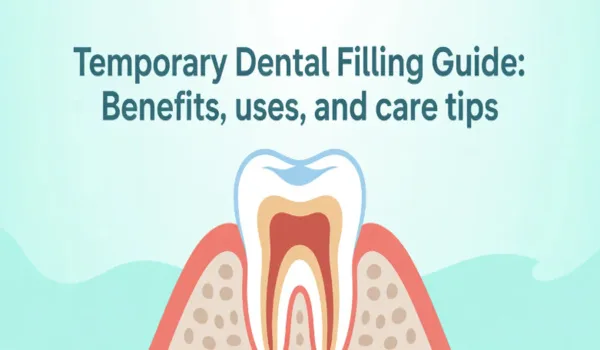
Dental issues can arise unexpectedly, often causing discomfort and inconvenience.
In such situations, a Temporary Dental Filling serves as a quick and effective solution to protect your tooth until a permanent treatment is completed. This guide will help you understand its benefits, uses, and how to take proper care of it.
What is a Temporary Dental Filling?
A Temporary Dental Filling is a short-term solution used by dentists to protect a damaged or treated tooth. It is commonly applied when a permanent filling or crown cannot be placed immediately.
Made from softer materials compared to permanent fillings, it is designed to stay in place for a limited time while safeguarding the tooth from further damage, infection, or sensitivity.
Common Uses of Temporary Dental Filling
Temporary fillings are widely used in various dental situations, including:
1. Between Dental Appointments
When a procedure requires multiple visits, such as root canal treatment, a temporary filling protects the tooth until the final restoration is done.
2. Emergency Dental Care
If a tooth cracks or a filling falls out, dentists may use a temporary option to provide immediate relief.
3. After Cavity Removal
In some cases, dentists monitor the tooth before placing a permanent filling, using a temporary one in the meantime.
4. Protecting Sensitive Teeth
It helps reduce sensitivity caused by exposed nerves or enamel damage.
Benefits of Temporary Dental Filling
Choosing a Temporary Dental Filling offers several advantages, especially in urgent or transitional dental care.
Quick Relief from Pain
It covers exposed areas of the tooth, reducing sensitivity and discomfort almost immediately.
Prevents Further Damage
By sealing the affected area, it protects the tooth from bacteria, food particles, and additional decay.
Cost-Effective Solution
Temporary fillings are generally more affordable and provide a practical short-term fix.
Supports Ongoing Treatment
They act as a protective layer while waiting for permanent procedures like crowns or inlays.
Easy Application and Removal
Dentists can quickly place and remove them without complex procedures.
Care Tips for Temporary Dental Filling
Since temporary fillings are not as durable as permanent ones, proper care is essential to ensure they last until your next dental visit.
Avoid Hard and Sticky Foods
Foods like nuts, candies, and chewing gum can dislodge or damage the filling.
Chew on the Opposite Side
Minimize pressure on the filled tooth to prevent loosening.
Maintain Oral Hygiene
Brush gently twice a day and floss carefully around the filled area to avoid dislodging it.
Limit Extreme Temperatures
Very hot or cold foods can increase sensitivity and affect the filling material.
Follow Your Dentist’s Instructions
Always stick to the specific care guidelines provided by your dentist.
How Long Does a Temporary Filling Last?
A Temporary Dental Filling typically lasts from a few days to a few weeks, depending on the material used and your oral habits. It is not designed for long-term use, so timely follow-up with your dentist is crucial to avoid complications.
When to See Your Dentist Again
You should contact your dentist if:
- The filling falls out or becomes loose
- You experience increased pain or sensitivity
- There are signs of infection like swelling or bad taste
- The filling wears down quickly
Delaying treatment may lead to further damage, making the procedure more complex and costly.
Conclusion
A Temporary Dental Filling is an effective short-term solution that protects your tooth, reduces discomfort, and supports ongoing dental treatments.
While it offers immediate benefits, proper care and timely follow-up are essential to maintain your oral health. Always consult your dentist for permanent treatment to ensure long-lasting protection and a healthy smile.
FAQs
1. Is a temporary dental filling safe?
Yes, it is safe and commonly used in dental treatments. However, it is meant for short-term use only.
2. Can I eat normally with a temporary filling?
You can eat soft foods, but it’s best to avoid hard, sticky, or chewy items to prevent damage.
3. What happens if my temporary filling falls out?
You should contact your dentist immediately. In the meantime, keep the area clean and avoid chewing on that side.
4. Does a temporary filling hurt?
No, it usually helps reduce pain by covering exposed areas of the tooth.
5. Can I keep a temporary filling for a long time?
It is not recommended. You should replace it with a permanent solution as advised by your dentist.





Comments