 By
By 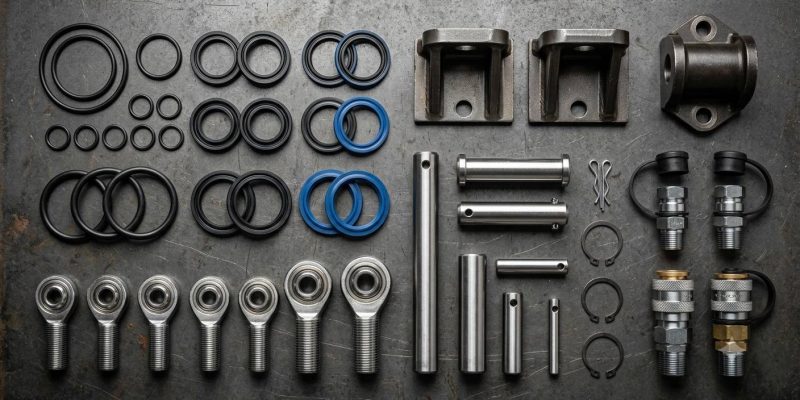
Introduction
Hydraulic cylinders are the muscle behind countless machines – from excavators and forklifts to presses and agricultural equipment. But the cylinder itself is only part of the story. The small parts surrounding it, known as hydraulic cylinder accessories, play a much bigger role in performance and longevity than most people realize.
If you’ve ever wondered why two identical machines age so differently – one running smoothly for years, the other breaking down constantly – the answer often lies in the quality and maintenance of these supporting components. In this article, we’ll break down what hydraulic cylinder accessories are, why they matter, and how choosing and maintaining them properly can significantly extend your equipment’s service life.
What Are Hydraulic Cylinder Accessories?
Hydraulic cylinder accessories refer to the various parts and fittings that support a cylinder’s operation. While the cylinder generates force through hydraulic pressure, these accessories help control, protect, and stabilize that process. Common examples include:
- Seals and O-rings – Prevent fluid leakage and contamination
- Rod ends and clevises – Connect the cylinder to other machine parts
- Mounting brackets – Secure the cylinder in place and absorb vibration
- Wipers and dust seals – Keep dirt and debris out of the cylinder bore
- Couplers and fittings – Manage fluid flow in and out of the cylinder
- Cushioning devices – Reduce shock at the end of the stroke
- Pins and bushings – Allow smooth pivoting movement
Each of these components, though small, directly affects how well the entire hydraulic system performs over time.
Why These Accessories Matter for Equipment Longevity
It’s tempting to think of these parts as minor additions, but in practice, they’re often the first line of defense against wear and failure. Here’s how they contribute to a longer equipment lifespan.
1. Preventing Internal Contamination
Dirt, dust, and moisture are some of the biggest enemies of hydraulic systems. Once contaminants enter the cylinder, they can scratch internal surfaces, damage seals, and degrade hydraulic fluid quality. Wipers and dust seals act as a barrier, stopping debris before it ever reaches sensitive internal components. Without this protection, even a well-built cylinder can wear out far ahead of schedule.
2. Reducing Fluid Leakage
Seals and O-rings are responsible for keeping hydraulic fluid contained within the system. A worn or poorly fitted seal can lead to leaks, which means:
- Loss of hydraulic pressure
- Reduced operating efficiency
- Increased fluid consumption and cost
- Higher risk of overheating
Replacing seals at the right intervals – rather than waiting for visible leaks, helps maintain consistent pressure and prevents avoidable strain on the cylinder.
3. Minimizing Mechanical Stress
Mounting brackets, pins, and bushings keep the cylinder properly aligned with the rest of the machine. When these parts are loose, worn, or mismatched, the cylinder can experience uneven loading or side stress.
Over time, this misalignment accelerates wear on the rod, piston, and internal bore – issues that are far more expensive to fix than simply replacing a mounting accessory.
4. Absorbing Shock and Vibration
Repeated impact at the end of a cylinder’s stroke can cause significant internal damage if left unmanaged. Cushioning accessories slow the piston down gradually, preventing harsh metal-on-metal contact.
This not only protects the cylinder itself but also reduces stress on connected machine components, lowering the chance of unexpected breakdowns.
5. Supporting Smooth, Efficient Movement
Couplers, fittings, and connectors ensure hydraulic fluid moves through the system without unnecessary restriction. Poor-quality or mismatched fittings can cause pressure drops, turbulence, or even fluid contamination at connection points.
Using the correct accessories keeps fluid flow consistent, which translates to smoother operation and less strain on the cylinder over its lifetime.
Signs That Accessories Need Attention
Routine inspection can catch small accessory issues before they turn into major cylinder problems. Watch for:
- Visible fluid leaks around seals or fittings
- Unusual noise during extension or retraction
- Jerky or inconsistent cylinder movement
- Visible corrosion or wear on pins, bushings, or mounts
- Dirt buildup near the rod seal area
Addressing these early often costs a fraction of what a full cylinder replacement would.
Tips for Choosing the Right Hydraulic Cylinder Accessories
Not all accessories are created equal, and selecting the right ones makes a measurable difference in durability. Keep these tips in mind:
- Match specifications exactly – Make sure the seal size, material, and pressure rating match what your cylinder actually needs. Even small mismatches can lead to early failure.
- Choose materials suited to your environment – If your equipment runs in high heat, outdoors, or around chemicals, look for seals or coatings designed to handle that kind of exposure.
- Don’t mix incompatible parts – Using fittings or connectors that aren’t designed to work together can create weak points that lead to leaks or breakdowns.
- Buy from reputable suppliers – Reliable, well-made parts may cost a little more upfront, but they typically last longer and perform better than cheaper alternatives.
- Follow manufacturer recommendations – Equipment makers usually specify which accessories work best for a given cylinder model, so following their recommendations helps avoid guesswork.
The Long-Term Payoff of Proper Maintenance
Investing time and budget into quality hydraulic cylinder parts and accessories isn’t just about avoiding breakdowns – it’s about maximizing the return on your equipment investment. Machines with well-maintained hydraulic systems typically experience:
- Fewer unplanned repairs
- Lower long-term maintenance costs
- More consistent performance
- Extended overall equipment lifespan
In industries where downtime directly impacts productivity and profit, this kind of reliability is invaluable.
Final Thoughts
Hydraulic cylinders may be the powerhouse of your equipment, but it’s the accessories working alongside them – seals, mounts, wipers, couplers, and more. That determines how long that power lasts. By understanding the role of each component and staying proactive with inspections and replacements, you can significantly extend the life of your hydraulic systems while reducing costly downtime.
Whether you’re maintaining existing machinery or sourcing parts for a new build, paying close attention to hydraulic cylinder accessories is one of the smartest, most cost-effective decisions you can make for long-term equipment reliability.





Comments